

A hip replacement, compromised knees, and the need for increased rest and recovery from physical training are frustrating realities. There is nothing poetic about them. They are inconvenient, disruptive, and at times discouraging.
What complicates this experience is observing senior practitioners in their sixties, seventies, and eighties moving with apparent ease and enjoyment while my own body feels increasingly constrained. That contrast invites difficult questions.
Have I exhausted my capacity? Has my body already given what it had to give?
When I examine those questions honestly, a different truth emerges. If my body were suddenly capable of moving as it did in my younger years, I do not believe my desire to drill or push my body in the same way would return. The impulse toward physical accumulation feels complete. Not suppressed, complete.
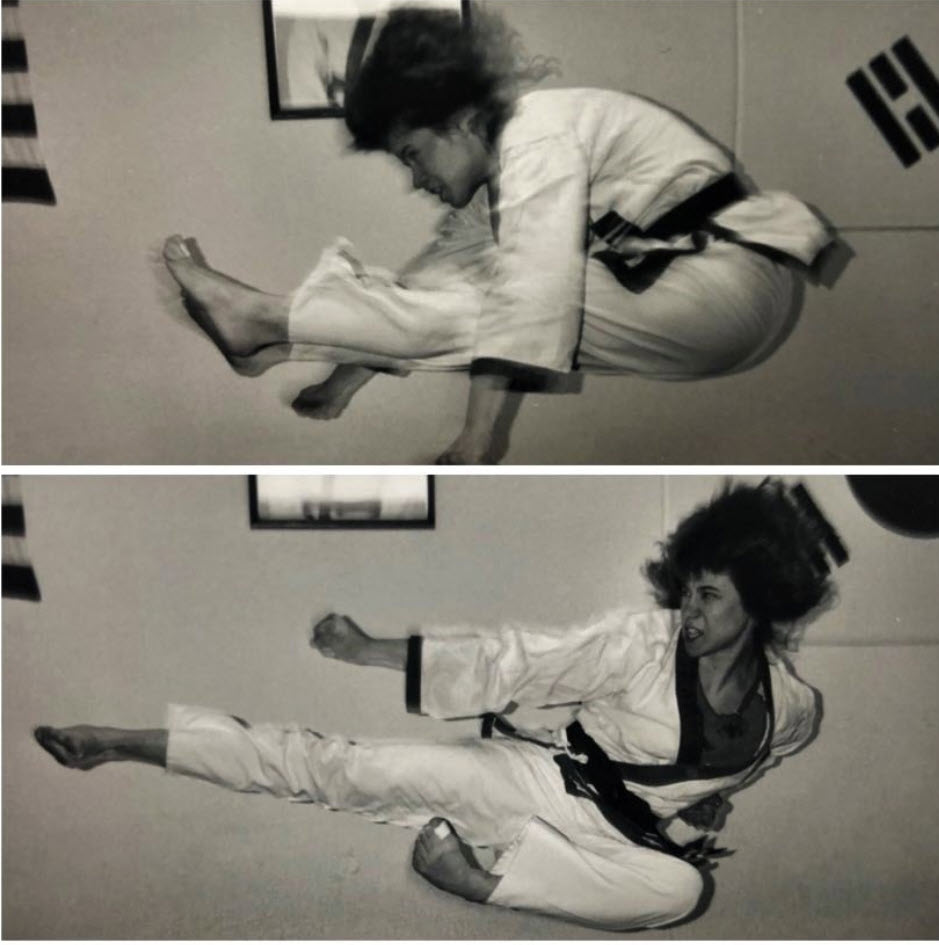
Earlier in my practice, effort carried meaning because it reliably worked. Hard training shaped identity, created belonging, and produced visible results. Effort in my youth was rewarded with trophies, confirmation that discipline and sacrifice translated into progress.
Those external markers mattered.
They reinforced a dependable relationship between cause and effect. Train harder and improve. Push further and grow. Through that reliability, effort gave me agency. My actions mattered, and outcomes could be anticipated.
Those conditions no longer hold in the same way.
The frustration of this stage is not simply physical. It reflects the end of a particular relationship to effort. Effort no longer guarantees growth. Discomfort no longer reliably produces strength. Increased exertion does not necessarily deepen understanding. When cause and effect lose their predictability, effort loses the meaning it once carried. This does not render earlier effort misguided. It indicates that its formative work is complete.
What replaces accumulation at this stage is distillation.
Distillation is not reduction for convenience, nor is it the result of diminished capacity. It is what remains after time removes what was never essential. Over years of practice, urgency diminishes.
Excess effort falls away. Decorative movement dissolves. What endures are alignment, timing, breath regulation, judgment, and restraint.
Distillation cannot be chosen prematurely. It arrives only after questions have been lived long enough to be answered. For the remainder of my lifetime practice, the Yuk Ro and Chil Sung Hyung feel sufficient. I do not experience this sufficiency as stagnation. I experience it as clarity. The trajectory has not stopped. It has changed course, moving into territory that is less defined and less frequently acknowledged.
Martial arts culture readily articulates beginnings and achievements. It speaks less clearly about what follows once accumulation loses its purpose. There is an implicit assumption that reduced quantity, lower kicks, and more economical movement signal decline. My experience contradicts that assumption. My side kick is now knee level. This is a factual observation, not a confession. It represents a shift in function rather than a loss of legitimacy. The relevant question is no longer what I can still perform, but what I am now responsible for demonstrating.
At this stage, my responsibility to others is not to display range, height, or physical dominance. It is to model discernment.
It is to show that power can be governed, that practice can remain alive without excess, and that movement can retain meaning without spectacle. It is to demonstrate how continuity is maintained when the body no longer supports ambition in the same way.
What is required now is not only greater honesty, but acceptance of the moment as it is and the willingness to find my way through it, even in its complexity. That complexity arises because loss and continuity coexist, because old measures no longer apply, because identity continues to form while earlier versions are released.
Responsibility has shifted from proving capacity to modeling adaptation, and the path forward is no longer mapped by accumulation, but by perception.
As this shift occurs, attention moves accordingly. It no longer centers on output, repetition, or visible achievement, but on the conditions that allow continuation. Attention turns toward structure rather than effort, toward signals rather than goals, toward timing rather than force. Recovery becomes part of practice rather than a pause from it. Breath becomes a regulator rather than a background function. Judgment replaces habit, and continuity over years becomes more important than peak performance in moments.
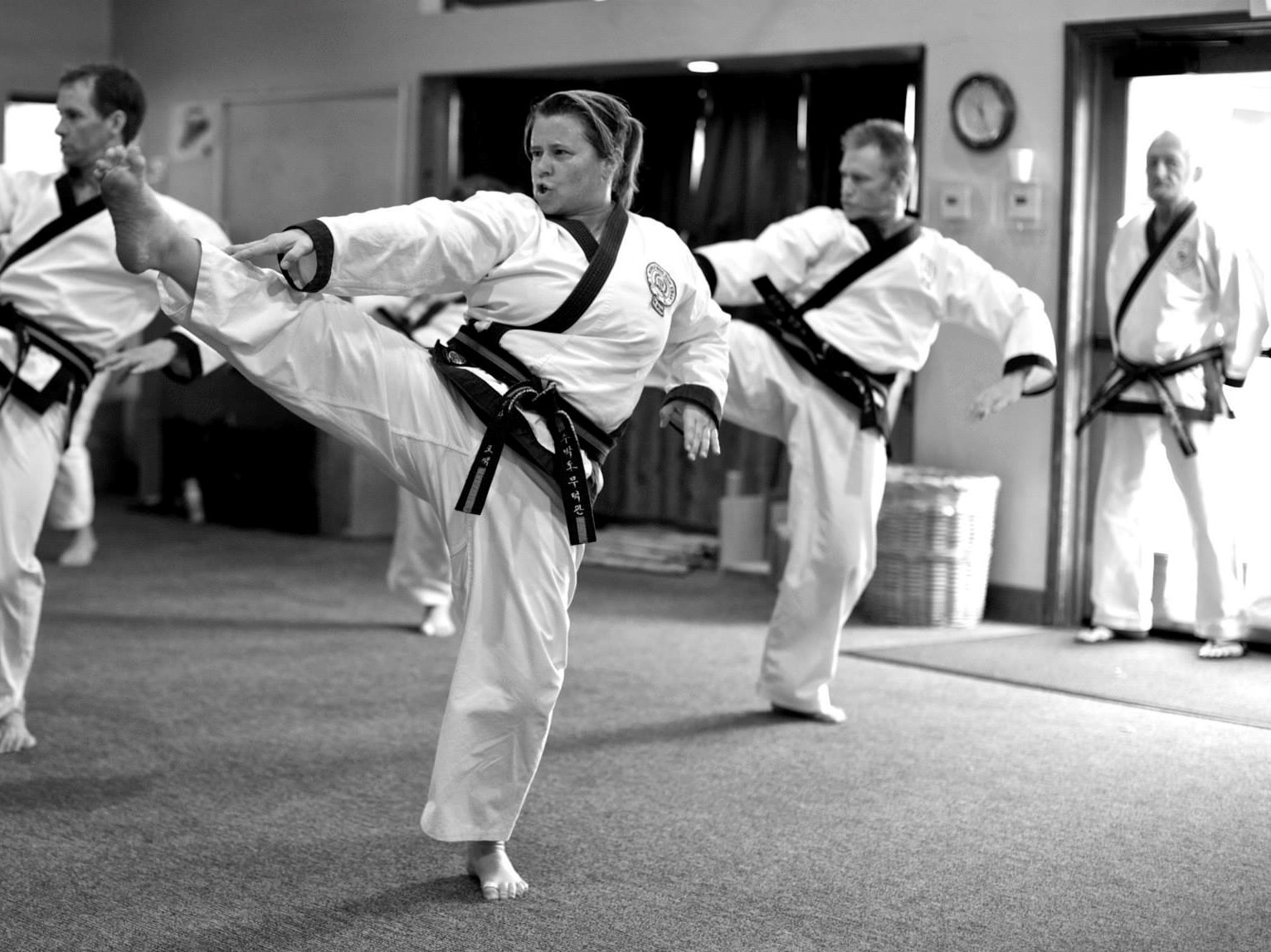
Increasingly, attention includes the impact of one’s adaptation on others, recognizing that what is modeled quietly often teaches more than what is demonstrated forcefully.
Movement remains essential. That does not change.
Nature does not cease movement with age. It alters how movement occurs. A river approaching the sea does not stop flowing. It widens, deepens, and slows, carrying more with less urgency. Motion persists, but its character transforms.
What is required now is not greater willpower, but greater honesty. Growth no longer resembles expansion. It takes the form of distillation.
This process is often frustrating. It is also clarifying.
I do not seek additional material. I seek deeper listening. I do not aim to force my body into compliance. I aim to move in ways that remain sustainable, truthful, and instructive. This orientation does not reflect depleted capacity. It reflects the exhaustion of one definition of capacity.
Direction does not arrive after this phase is resolved. It emerges within it, while enduring, while adapting, and while releasing what no longer fits.
My direction will continue to arise as long as I remain willing to endure honestly.
This is not decline. It is a shift in responsibility. The work now is not to prove ability, but to remain aligned. Not to accumulate, but to continue correctly. Not to resist time, but to practice honestly within it, and to demonstrate that this, too, is martial practice.
Direction arises while one is enduring.

By Lisa Kozak
Sa Bom Nim, Pahl Dan
(Dan Bon 23540) USA